As a parent, it’s natural to be concerned about your child’s health and well-being. One important tool that can help you monitor their growth and development is a pediatric BMI growth chart. This chart is used by pediatricians and healthcare professionals to track a child’s body mass index (BMI) over time, helping to identify potential weight-related issues early on. By understanding how to use a pediatric BMI growth chart, you can take a more active role in supporting your child’s healthy growth and development.
A pediatric BMI growth chart is a graphical representation of a child’s BMI, which is calculated by dividing their weight by their height squared. The chart is typically divided into percentiles, which show how a child’s BMI compares to that of other children of the same age and sex. By plotting a child’s BMI on the chart over time, healthcare professionals can see whether they are growing at a healthy rate and whether any potential issues need to be addressed. This information can be invaluable in helping to prevent obesity and other weight-related problems, which can have serious long-term consequences for a child’s health.
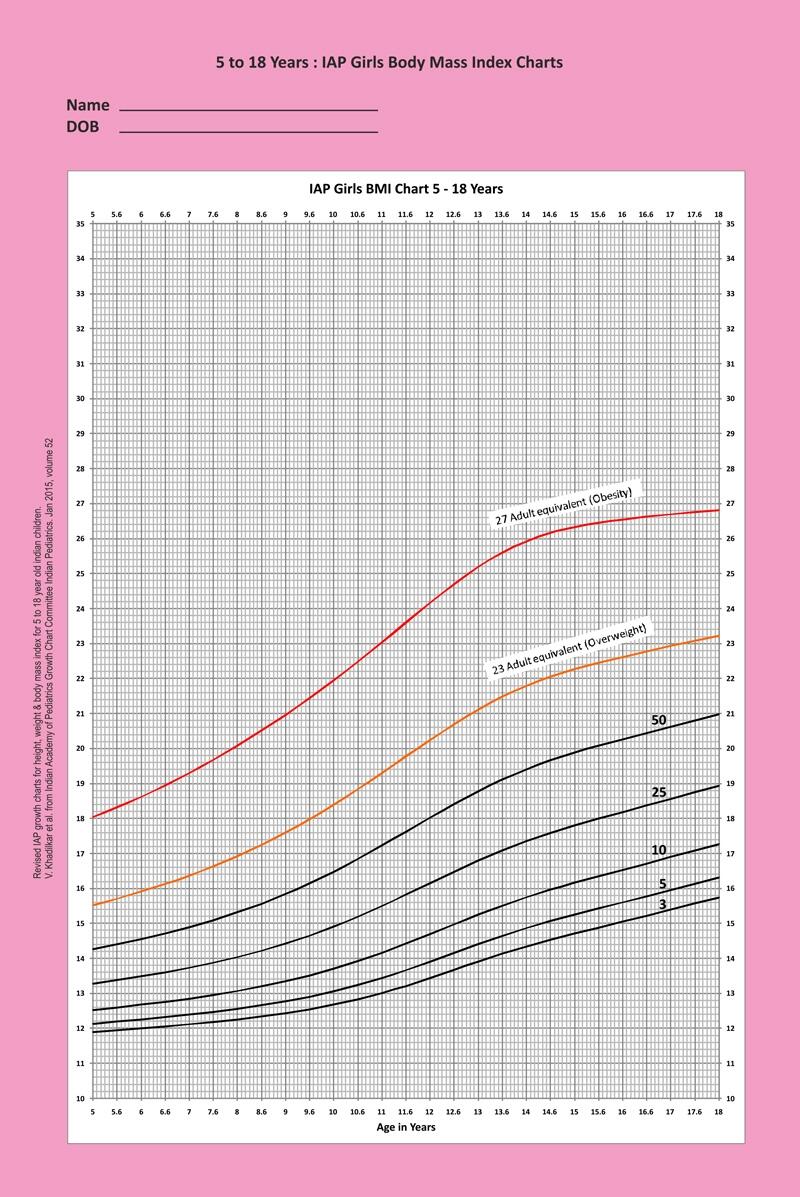
Growth Charts BMI Calculator
What is a Pediatric BMI Growth Chart?
A pediatric BMI growth chart is a specialized tool that is designed specifically for children and adolescents. It takes into account the unique growth patterns of this age group, including the rapid growth and development that occurs during puberty. The chart is typically used for children aged 2-20 years, and it is an essential part of routine pediatric care. By using a pediatric BMI growth chart, healthcare professionals can identify potential weight-related issues early on, when they are easier to treat. This can help to prevent a range of serious health problems, including diabetes, heart disease, and certain types of cancer.
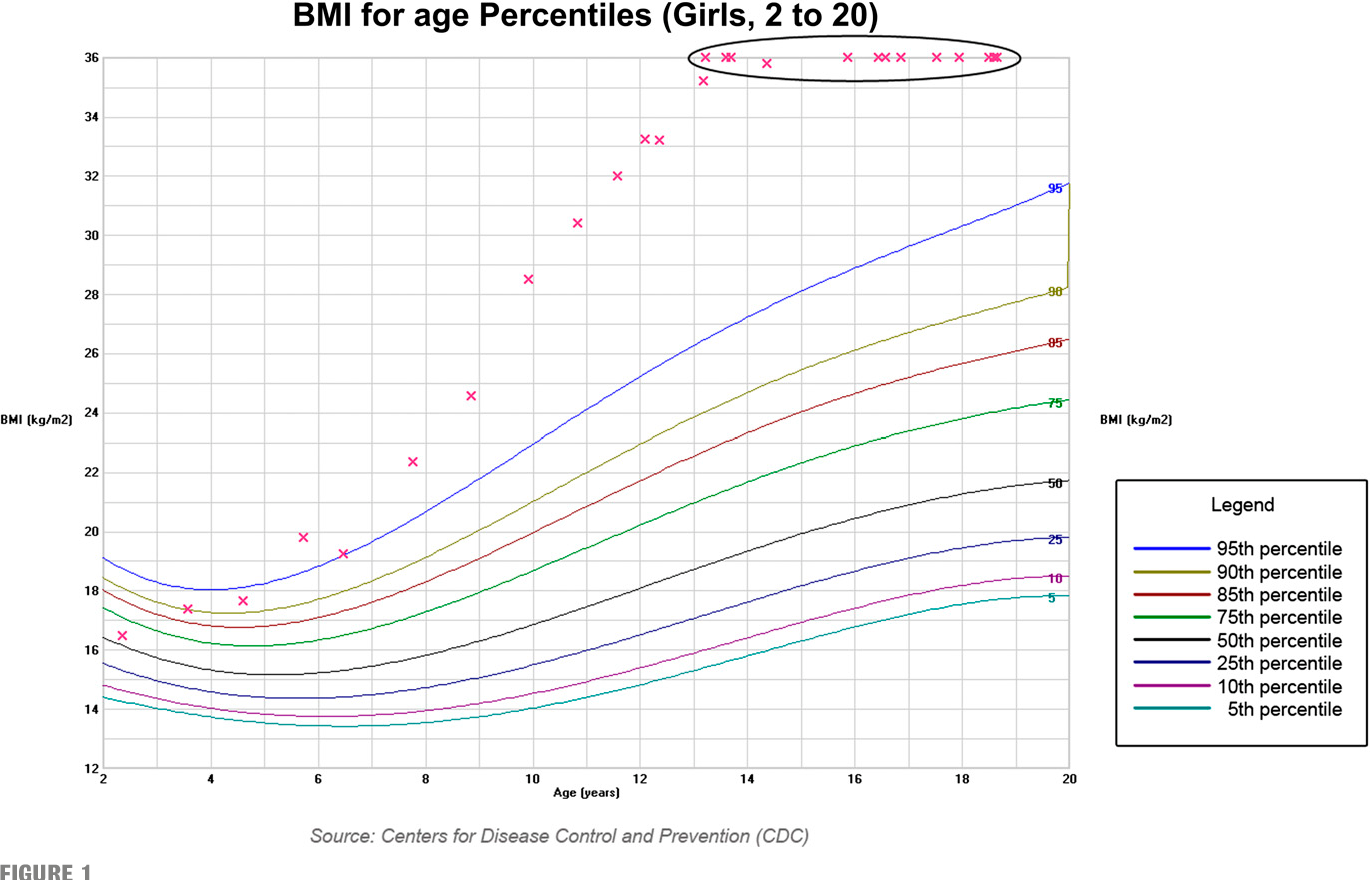
PDF Clinical Tracking Of Severely Obese Children A New Growth Chart Semantic Scholar
How to Read and Interpret the Chart
Reading and interpreting a pediatric BMI growth chart can seem intimidating at first, but it’s actually quite straightforward. The chart is typically divided into percentiles, which show how a child’s BMI compares to that of other children of the same age and sex. For example, a child who is at the 50th percentile for BMI is heavier than 50% of children of the same age and sex, and lighter than the other 50%. By plotting a child’s BMI on the chart over time, healthcare professionals can see whether they are growing at a healthy rate and whether any potential issues need to be addressed.
Using the Chart to Monitor Growth and Development
Using a pediatric BMI growth chart to monitor growth and development is an important part of routine pediatric care. By tracking a child’s BMI over time, healthcare professionals can identify potential weight-related issues early on, when they are easier to treat. This can help to prevent a range of serious health problems, including obesity, diabetes, and heart disease. Additionally, the chart can help to identify other potential issues, such as growth hormone deficiencies or other endocrine disorders. By working with a healthcare professional to use a pediatric BMI growth chart, you can take a more active role in supporting your child’s healthy growth and development.
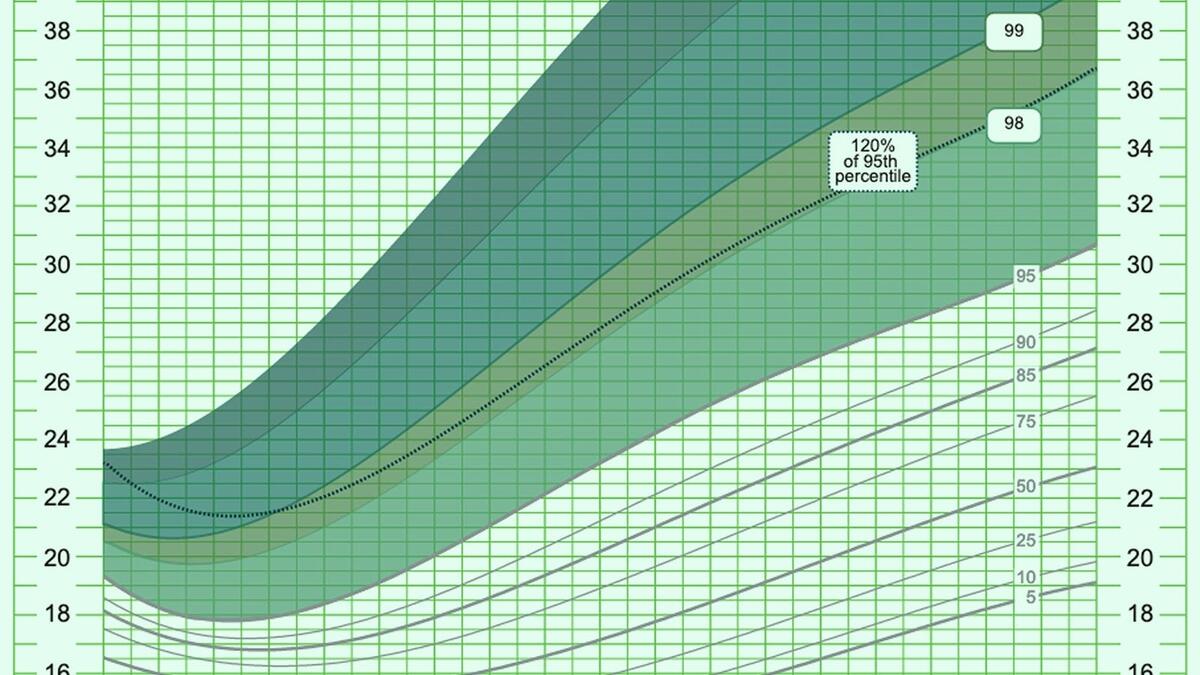
Extended BMI Charts Help Address The Pediatric Obesity Crisis MedPage Today
By understanding how to use a pediatric BMI growth chart, you can take a more active role in supporting your child’s healthy growth and development. This can involve making lifestyle changes, such as encouraging healthy eating habits and regular exercise, as well as working with a healthcare professional to address any potential issues that are identified. By taking a proactive approach to your child’s health, you can help to prevent a range of serious health problems and give them the best possible start in life. Remember, a pediatric BMI growth chart is just one tool that can be used to support your child’s health – by working with a healthcare professional and making healthy lifestyle choices, you can help your child to grow and thrive.
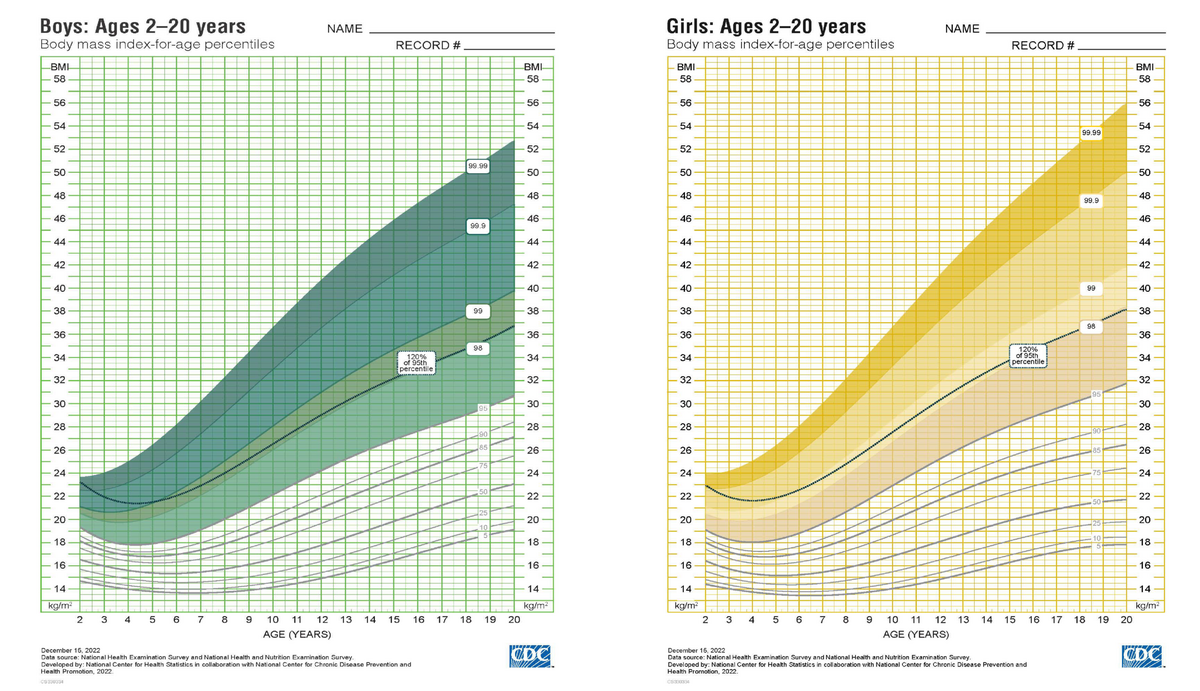
Background CDC Extended BMI For Age Growth Charts Growth Chart Training CDC
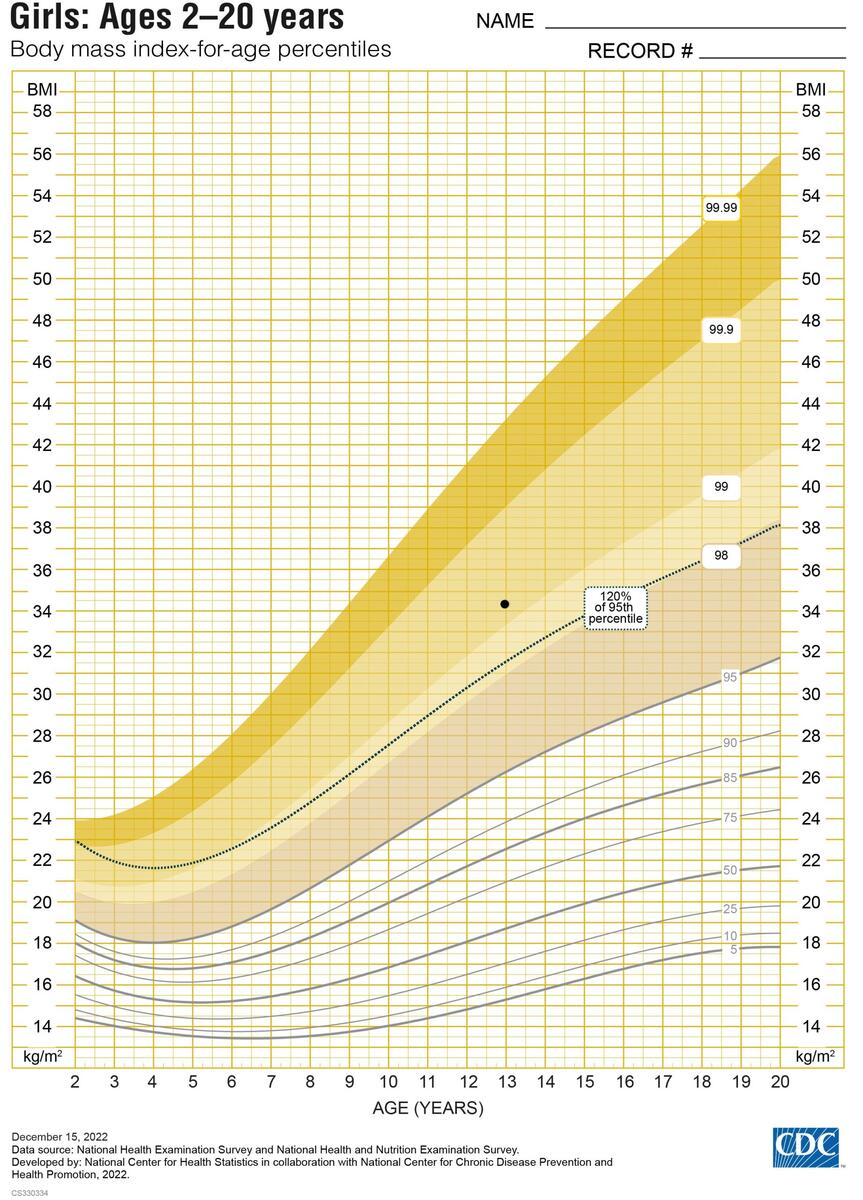
Plotting And Interpreting BMI For Age Growth Chart Training CDC