Learning about 2D shapes is a fundamental part of a first-grade math curriculum. At this stage, children are introduced to basic shapes such as squares, circles, triangles, and rectangles. These shapes are the building blocks of more complex geometric concepts that they will encounter in later years. Understanding 2D shapes helps children develop their problem-solving skills, spatial awareness, and critical thinking.
As children begin to learn about 2D shapes, they start to recognize these shapes in their everyday lives. They see squares in picture frames, circles in coins, and triangles in roofs. This real-world connection helps them understand the practical applications of 2D shapes and makes learning more engaging and fun. With the help of interactive activities, games, and worksheets, children can develop a deep understanding of 2D shapes and their properties.
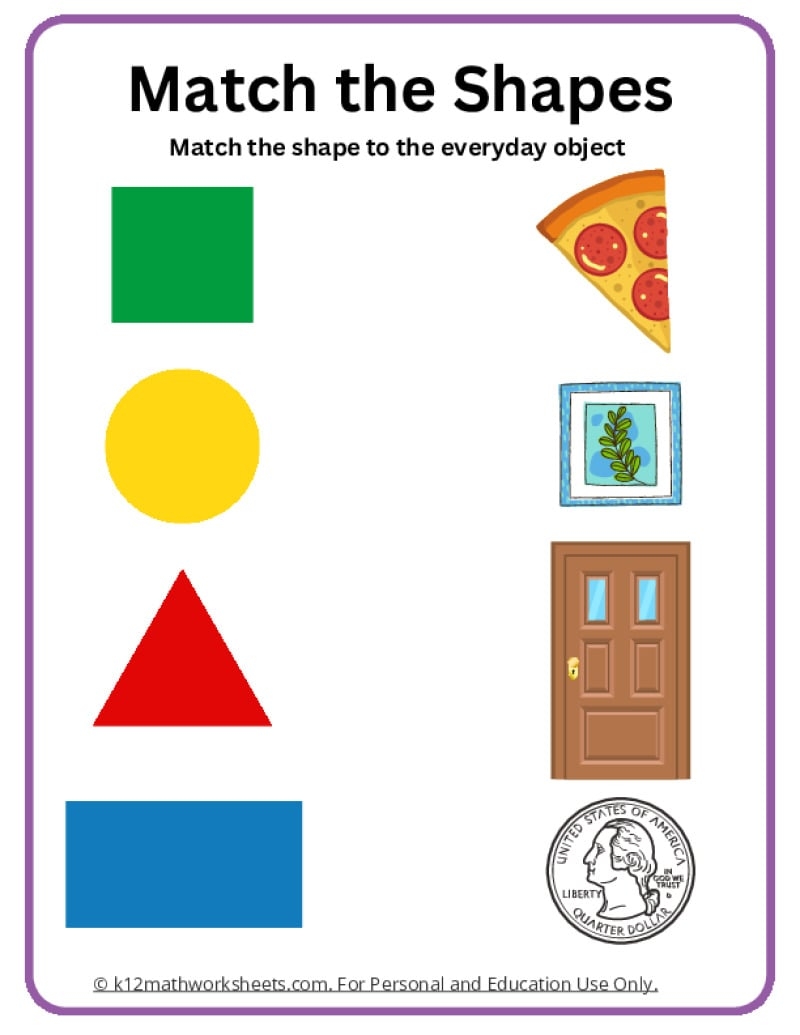
Shapes Worksheets
Introduction to Basic Shapes
When introducing basic shapes to first-grade students, it’s essential to use simple and concrete language. Teachers can use visual aids such as flashcards, posters, and real-life objects to demonstrate the characteristics of each shape. For example, a square has four equal sides and four right angles, while a circle is a closed curve with no corners or edges. By using these visual aids, children can quickly grasp the basic properties of each shape and begin to recognize them in different contexts.
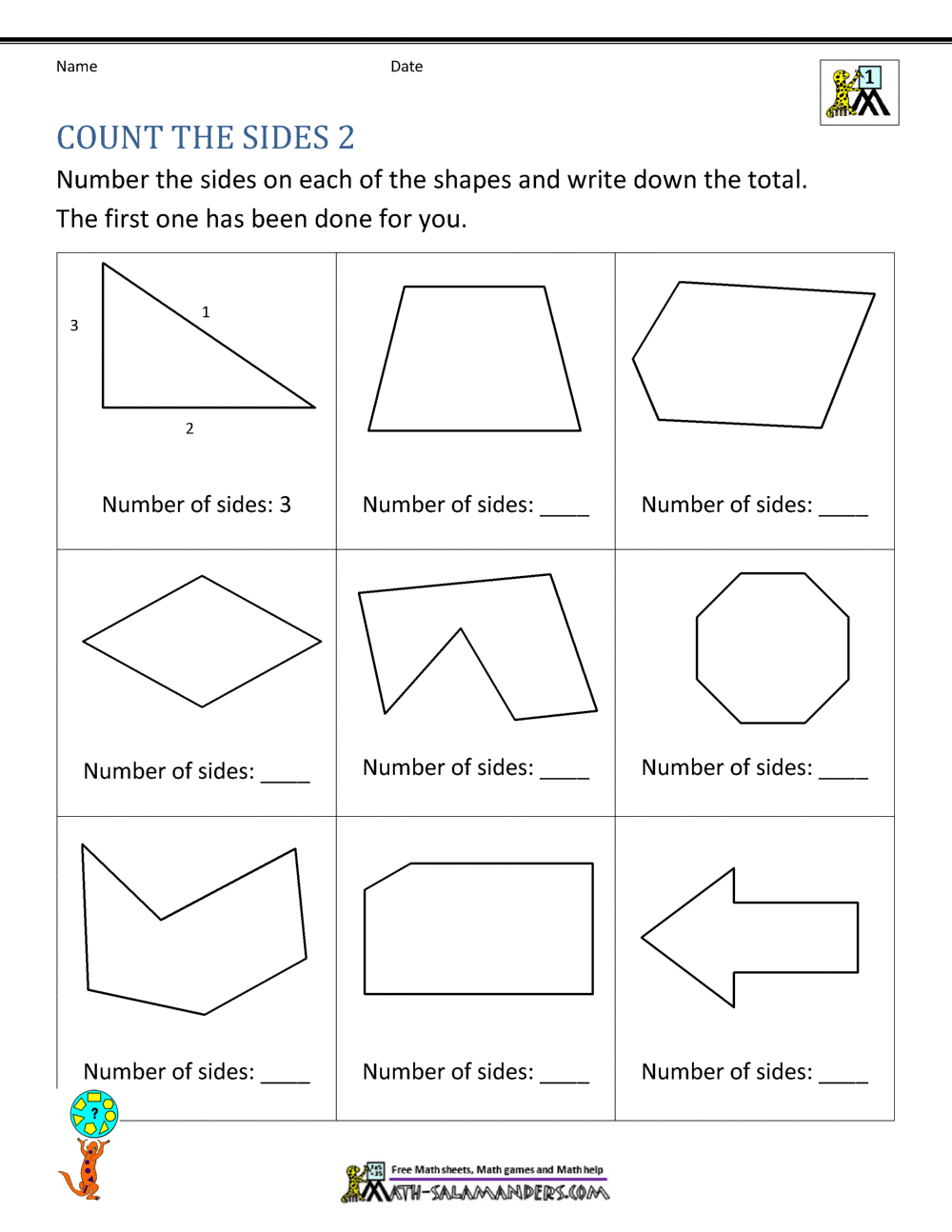
First Grade Geometry
Recognizing and Creating Shapes
Recognizing and creating shapes is a crucial skill for first-grade students. They can practice drawing and coloring different shapes, using various materials such as paper, pencils, and crayons. This activity helps develop their fine motor skills and hand-eye coordination. Additionally, teachers can provide worksheets with shape puzzles, mazes, and pattern completion exercises to reinforce their understanding of 2D shapes. These activities make learning fun and engaging, while also assessing their knowledge and understanding of the subject.
Real-World Applications of 2D Shapes
The real-world applications of 2D shapes are numerous and varied. Children can see shapes in architecture, art, design, and even nature. For example, the shape of a bridge, a building, or a monument can be analyzed and identified as a combination of different 2D shapes. This helps children understand the importance of shapes in real-life situations and how they are used to create functional and aesthetically pleasing designs. By exploring these applications, children can develop a deeper appreciation for the role of 2D shapes in their everyday lives.
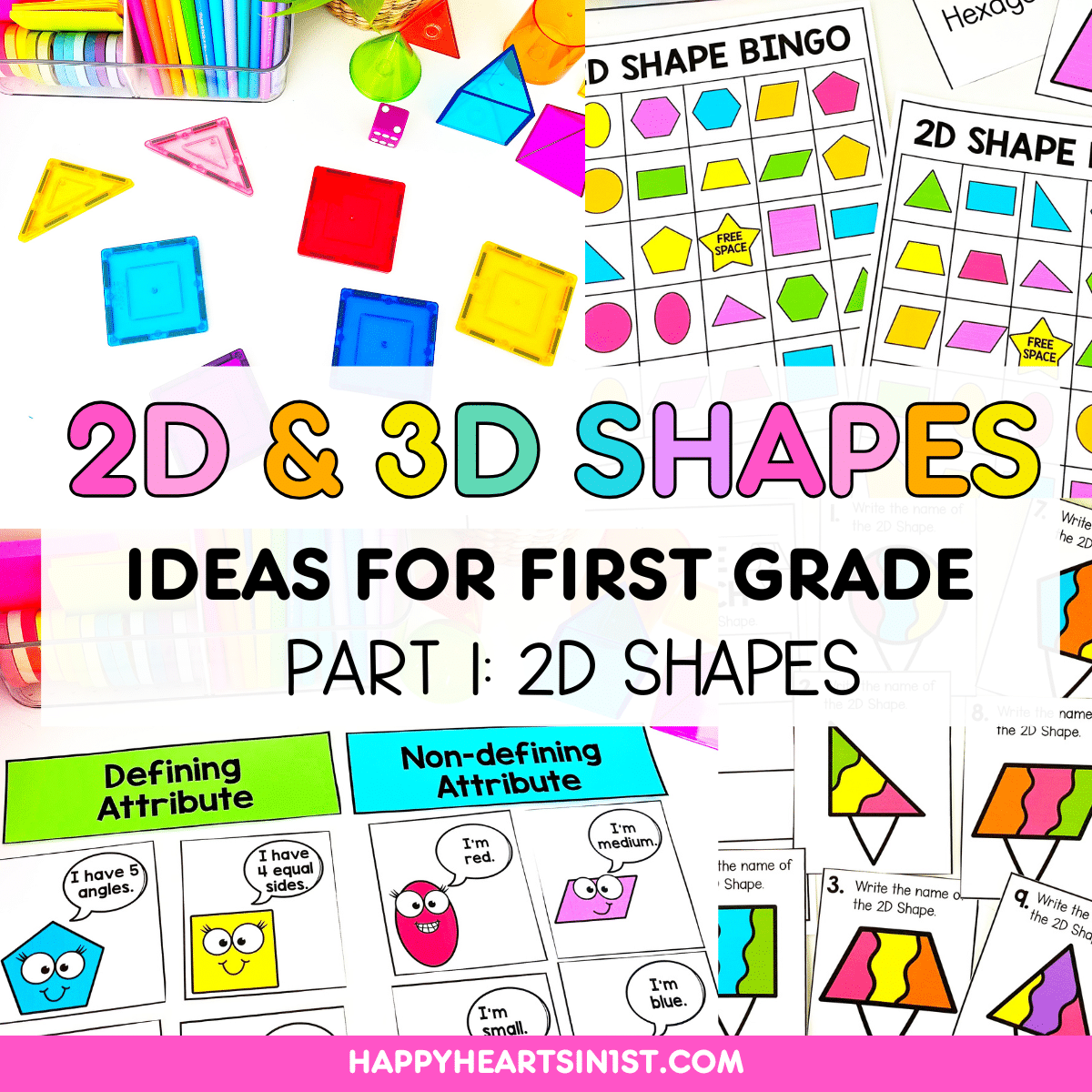
Teaching 2D And 3D Shapes In First Grade Part 1 2D Shapes Activities Happy Hearts In 1st
In conclusion, learning about 2D shapes in first grade is a fun and exciting experience for children. With the help of interactive activities, games, and real-world examples, they can develop a solid understanding of basic shapes and their properties. As they progress through their math education, this foundation will serve as a building block for more complex geometric concepts, helping them become proficient problem-solvers and critical thinkers.
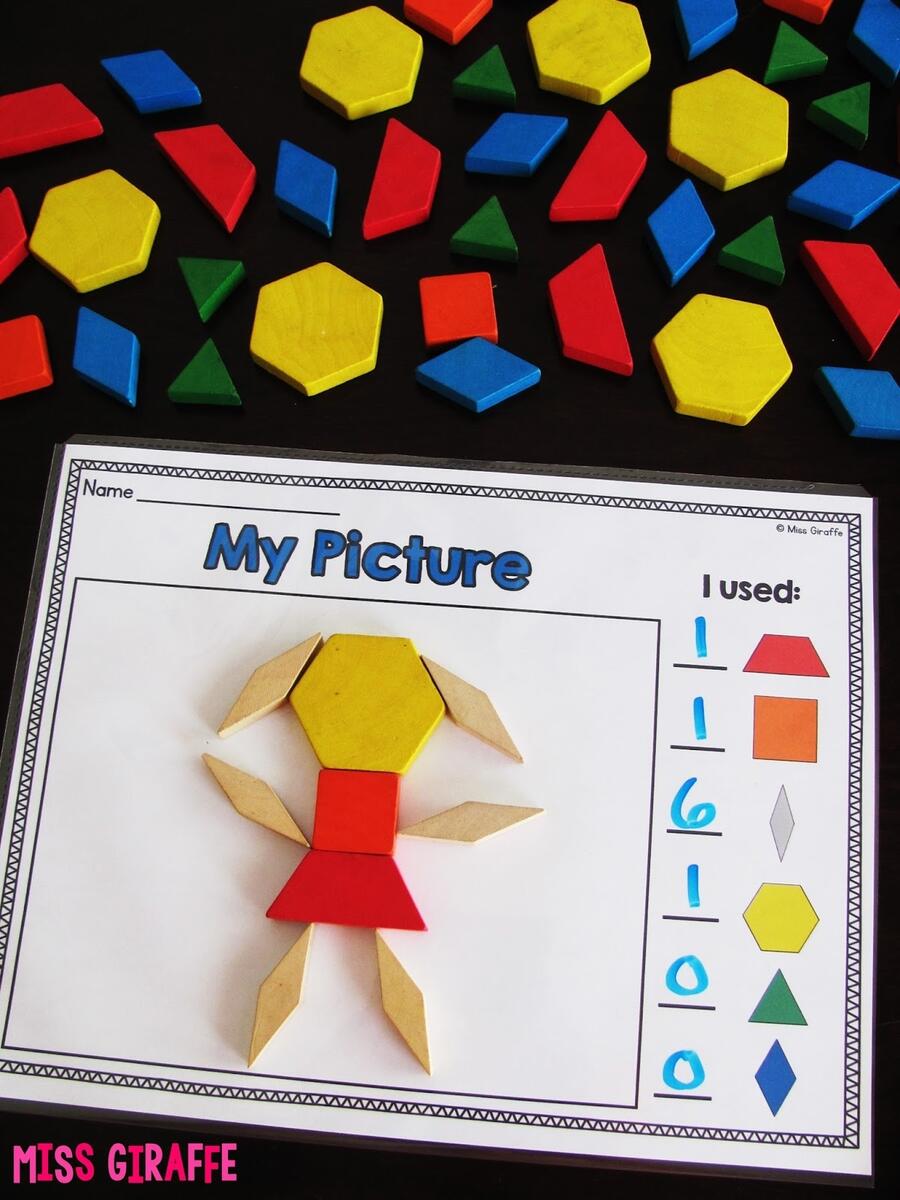
Miss Giraffe S Class Composing Shapes In 1st Grade
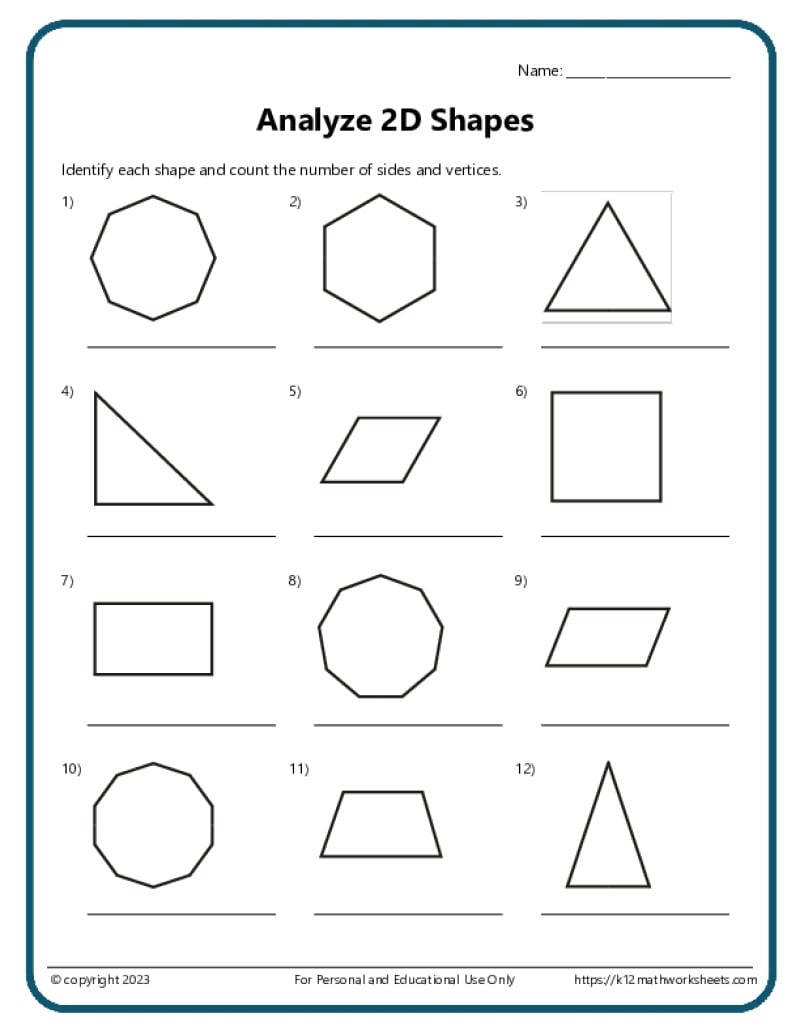
2D Shapes Worksheets