Finding common denominators is a crucial skill in mathematics, particularly when dealing with fractions. It allows students to add, subtract, and compare fractions with different denominators. However, this concept can be challenging for many students to grasp, especially when they are first introduced to it. Fortunately, there are tools and techniques that can make finding common denominators easier and more intuitive.
One such tool is the multiplication chart. A multiplication chart, also known as a times table chart, is a table that lists the products of numbers from 1 to a certain number. It is commonly used to help students memorize their multiplication facts. But what many people don’t realize is that multiplication charts can also be used to find common denominators. By using a multiplication chart, students can quickly and easily identify the least common multiple (LCM) of two or more numbers, which is the smallest number that is a multiple of each of the numbers.
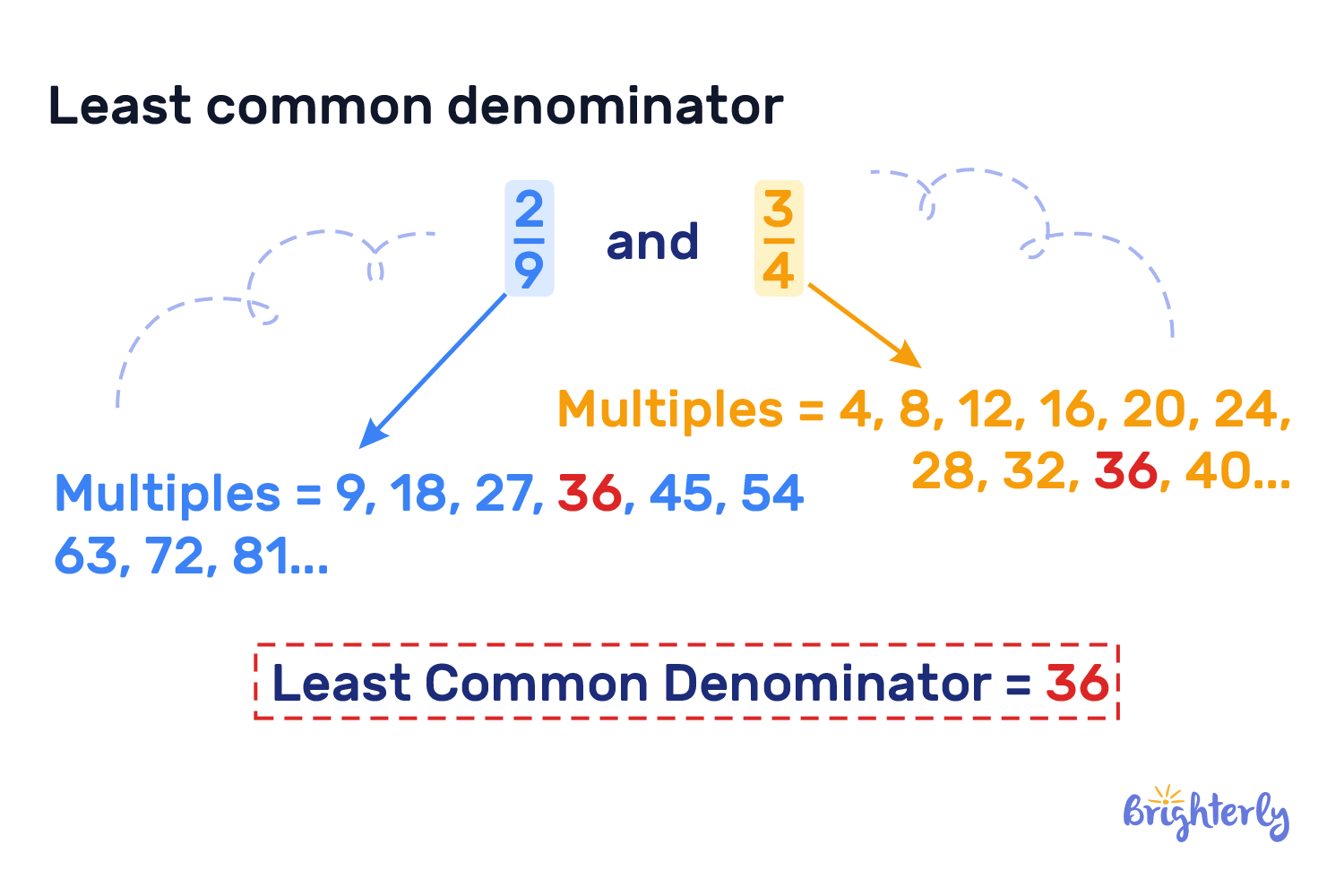
Least Common Denominator
Understanding the Basics of Common Denominators
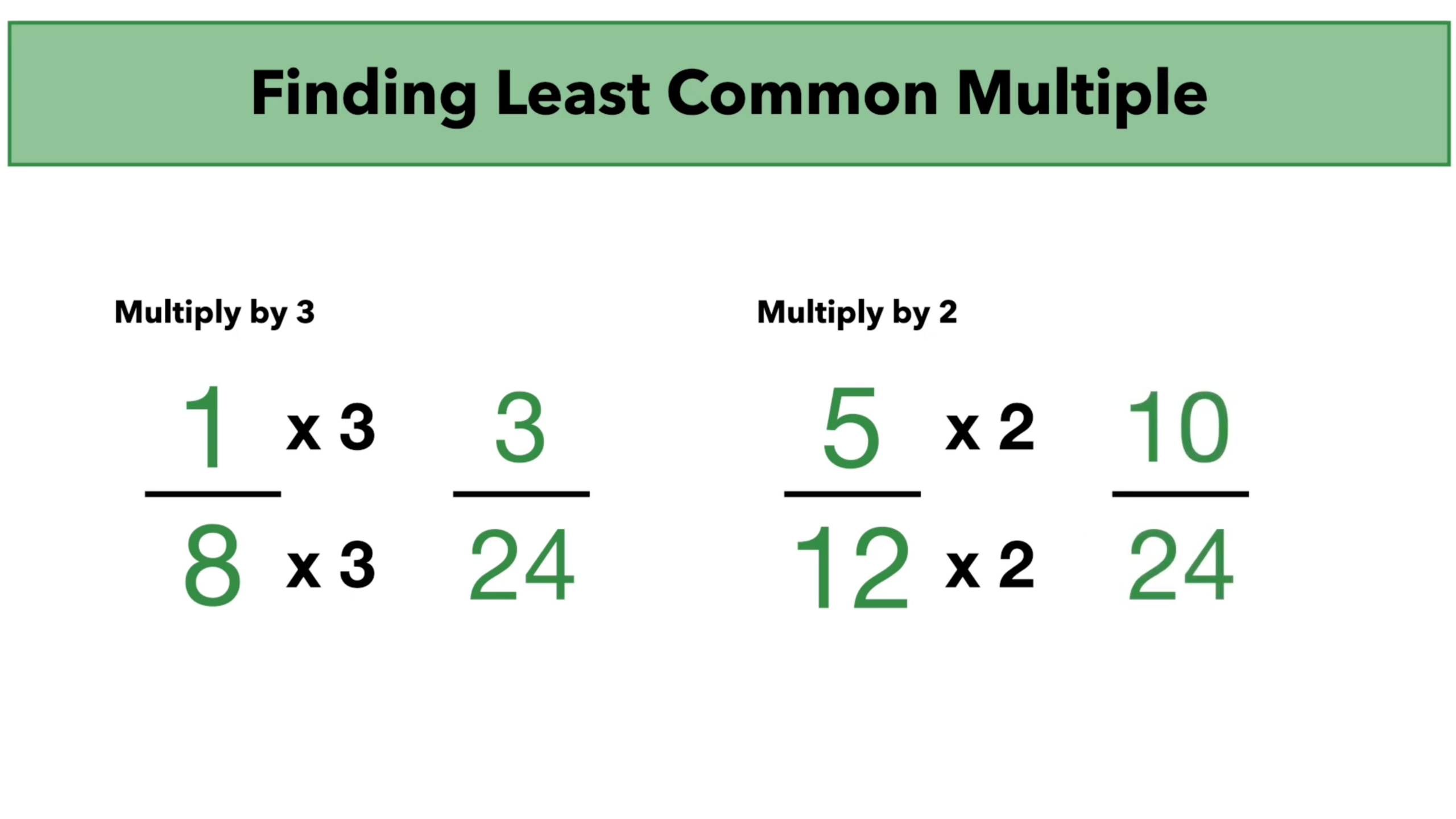
To understand the basics of common denominators, it’s essential to know that a common denominator is a number that is a multiple of both denominators. For example, if we have two fractions, 1/4 and 1/6, the common denominator would be 12, since 12 is a multiple of both 4 and 6. Using a multiplication chart can help students identify the common denominator by finding the smallest number that is common to both lists of multiples.
Multiplying Fractions Worksheets
How to Use Multiplication Charts
Using multiplication charts to find common denominators is a straightforward process. First, students need to list the multiples of each denominator. Then, they need to identify the smallest number that appears in both lists. This number is the least common multiple (LCM) of the two denominators, and it can be used as the common denominator. For instance, if we have two fractions, 1/4 and 1/6, we can list the multiples of 4 and 6 using a multiplication chart. The multiples of 4 are 4, 8, 12, 16, etc., and the multiples of 6 are 6, 12, 18, 24, etc. By comparing the two lists, we can see that 12 is the smallest number that appears in both lists, making it the LCM and the common denominator.
Tips for Finding Common Denominators with Multiplication Charts
When using multiplication charts to find common denominators, there are a few tips to keep in mind. First, make sure to list all the multiples of each denominator, not just the first few. This will ensure that you find the smallest common multiple. Second, use a large enough multiplication chart to accommodate the numbers you are working with. Finally, double-check your work to make sure you have found the correct common denominator. By following these tips and using a multiplication chart, students can make finding common denominators a breeze.
Multiplying Fractions Worksheets
In conclusion, finding common denominators using multiplication charts is a simple and effective technique that can make math easier and more accessible for students of all ages. By understanding the basics of common denominators, using multiplication charts to find the least common multiple, and following a few simple tips, students can master this essential math skill. Whether you’re a student, teacher, or parent, using multiplication charts to find common denominators is a great way to make math more fun and engaging.
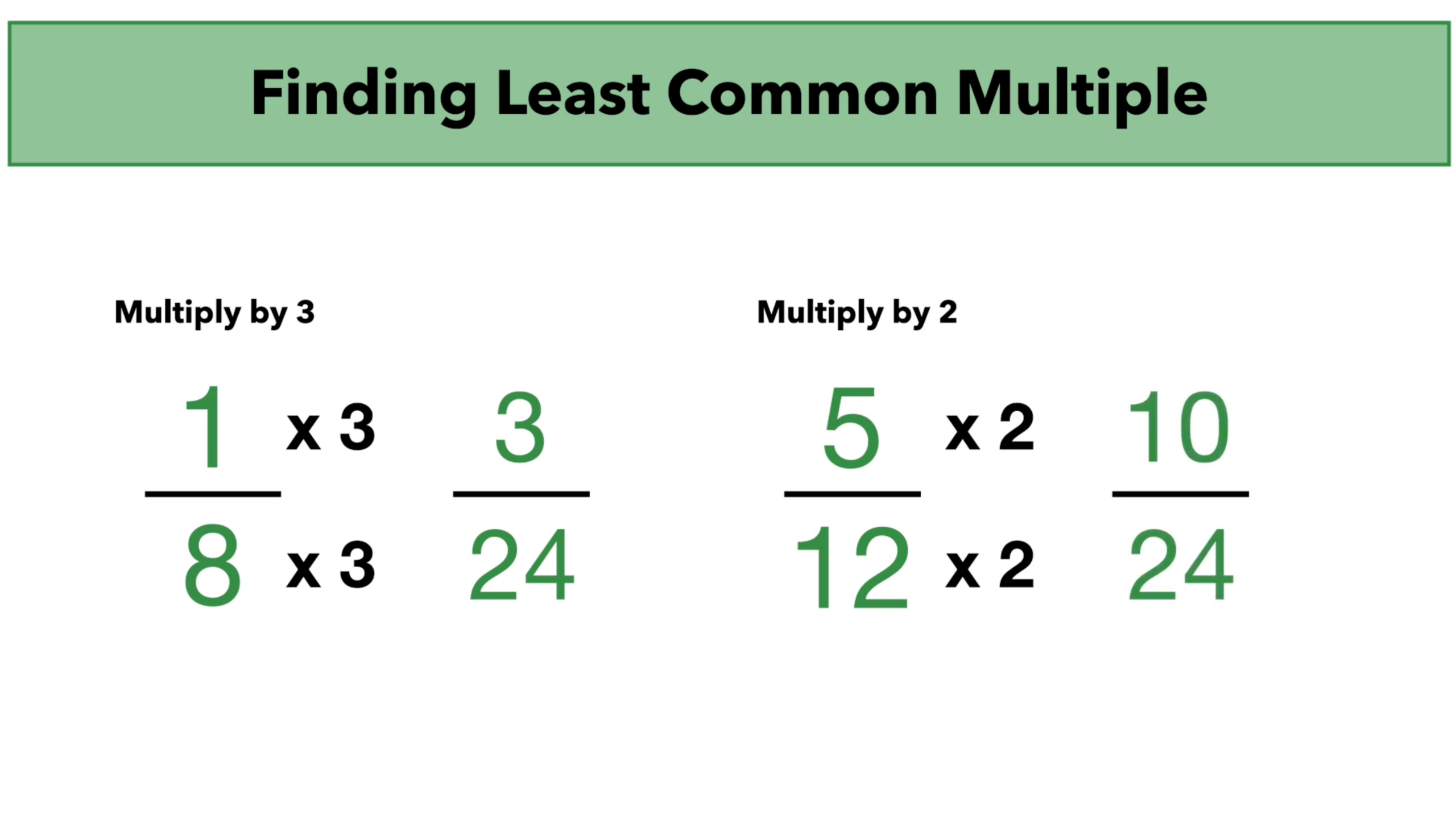
Blog How To Find A Common Denominator A TurtlEd Math Guide
Blog How To Find A Common Denominator A TurtlEd Math Guide